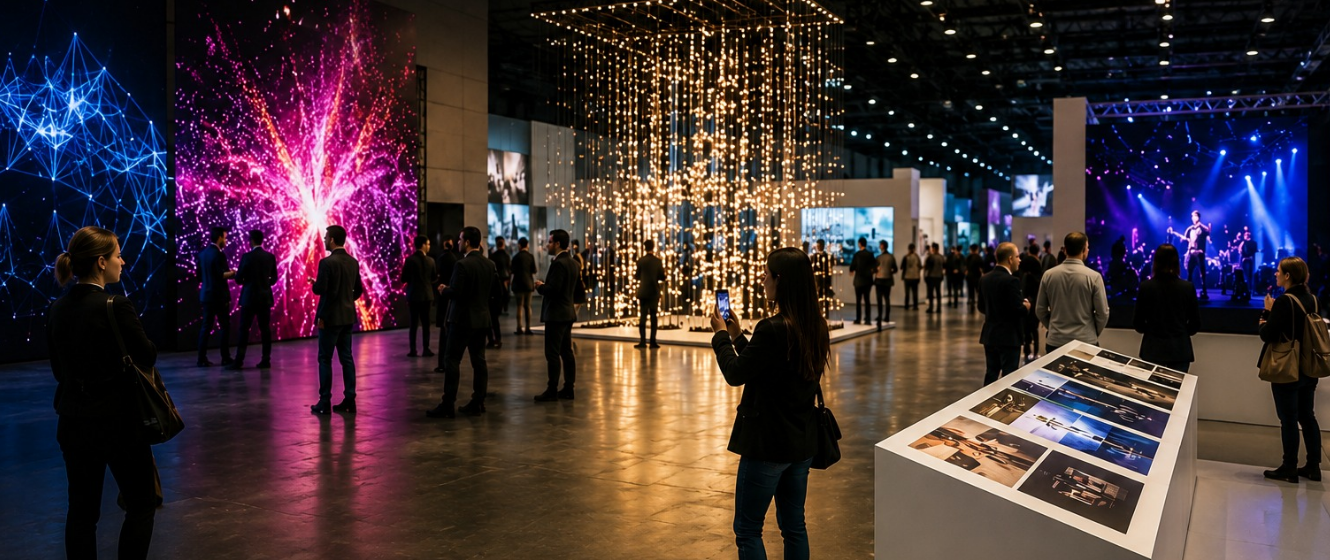
At the heart of digital transformation and changing consumer habits lies a powerful concept: experience. Today, audiences are no longer satisfied with simply purchasing a product or watching a performance; they want to become part of the process, feel connected to it, and enjoy an experience that stays with them. This growing expectation has transformed the Visual Communication, Shows, Events, and Exhibition Industries into some of the most dynamic and innovative sectors of the modern economy.
This vast ecosystem, where physical spaces are increasingly merging with digital technologies, is fundamentally changing how brands connect with their audiences. In this article, we explore the key components, emerging trends, and future of these creative industries from an SEO perspective.
1. Visual Communication Design: Where Messages Meet Aesthetics
Visual communication is the art of conveying an idea, message, or emotion to a target audience through visual elements such as graphics, typography, video, and animation. In the digital age, visual communication extends far beyond magazine covers and billboards.
-
User Experience (UX/UI): The human-centered design of digital interfaces has become one of the most dynamic fields within visual communication.
-
Motion Graphics: The use of dynamic video to communicate messages across social media, advertising, and events has significantly increased audience engagement and memorability.
-
Corporate Identity and Branding: A company’s presence across both digital and physical environments is increasingly shaped by the strategic power of visual communication.
2. Shows and Live Performance Industry: Where Technology Meets the Performing Arts
Concerts, theater productions, large-scale stage shows, and festivals—the shows and live performance industry is evolving while preserving its traditional foundations, driven by increasingly advanced technologies.
-
Visual Spectacles and Projection Mapping: Historic buildings, large-scale stages, and physical structures can be transformed into dynamic screens through projection technology. Artists are no longer simply performing; they are immersing audiences in three-dimensional visual worlds.
-
Holograms and Virtual Performers: The use of holographic technology in live performances is pushing traditional boundaries. Legendary artists who are no longer alive, as well as entirely digitally created characters, can now appear in virtual performances and immersive productions.
3. Event Management: Designing Corporate and Cultural Experiences
The events industry represents a vast operational ecosystem that brings audiences together through product launches, conferences, festivals, sporting events, and other large-scale gatherings. Today, event management is evolving toward a more experience-driven approach centered on Event Design.
-
Hybrid Events: When physical participation is limited, thousands of people around the world can take part in events interactively through virtual reality (VR), livestreaming, and other digital platforms.
-
Data-Driven Event Management: Attendee movements, areas of interest, and engagement levels can be analyzed through technologies such as RFID wristbands and facial recognition systems, helping organizers develop more effective strategies for future events.
4. Exhibition Industry and Trade Show Booth Design: Spatial Storytelling
Museums, art galleries, and trade shows—the Exhibition Industry is the art and practice of presenting a space, product, or story in the most compelling way possible.
-
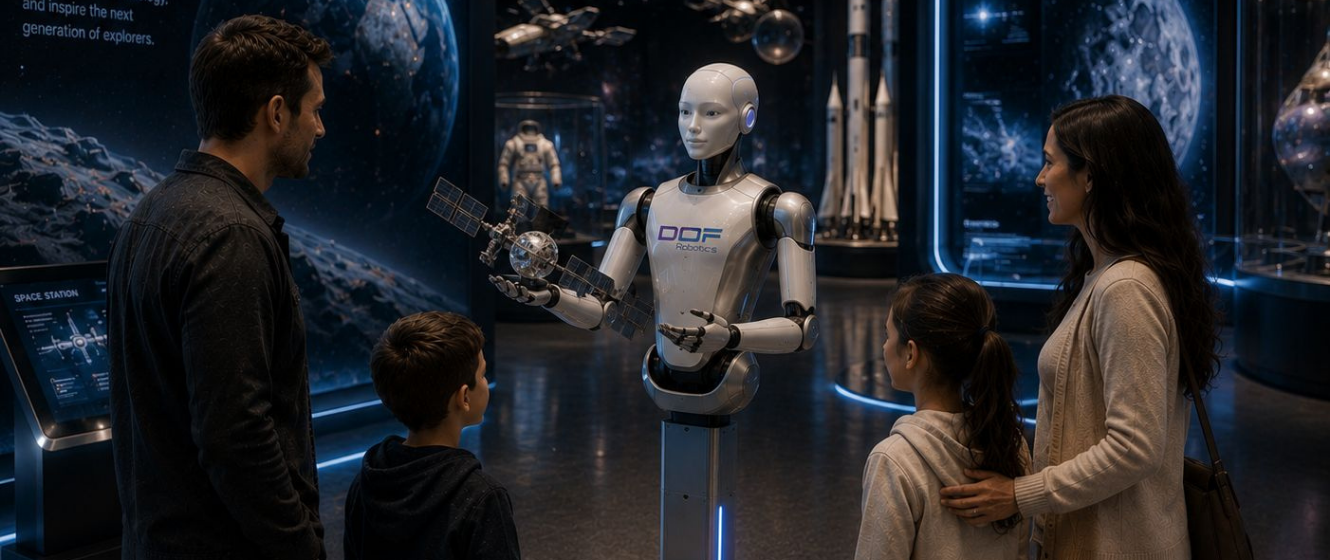
Interactive Museums and Digital Art Galleries: Traditional “do not touch” signs are increasingly being replaced by a “touch and experience” philosophy. Through immersive exhibitions, visitors can step into a painting, historical period, or digitally created environment.
-
Next-Generation Trade Show Booth Design: At trade shows, brands are moving beyond simply displaying products and creating interactive experiences using technologies such as augmented reality (AR). Modular booths made from sustainable and recyclable materials are also becoming increasingly important as businesses respond to global sustainability requirements.
Trends Shaping the Industry
These four industries are increasingly converging through today’s technologies. Several common trends are driving their growth and transformation:
-
Artificial Intelligence (AI): AI is accelerating the production of visual content while enabling more personalized experiences at events and exhibitions.
-
Extended Reality (XR – VR/AR/MR): XR technologies are redefining the boundaries of exhibitions and live shows by placing audiences at the center of immersive digital environments.
-
Sustainability and Green Events: Digital displays, energy-efficient LED lighting, and reusable or low-waste exhibition materials are becoming essential elements of more sustainable event and exhibition strategies.
Conclusion: Why Does It Matter for Brands?
The Visual Communication, Shows, Events, and Exhibition Industries have become some of the most effective tools for creating emotional connections in today’s business environment. At a time when consumers are increasingly selective and overwhelmed by conventional advertising, a creative visual identity, an engaging exhibition space, or a memorable event can give a brand a significant competitive advantage.
For brands seeking to remain relevant in the future, investing solely in traditional advertising will no longer be enough. They will increasingly need to invest in the immersive and interactive experience design offered by these creative industries—turning audiences from passive observers into active participants.