
Technology, Design, and Sustainability Are Reshaping Urban Life
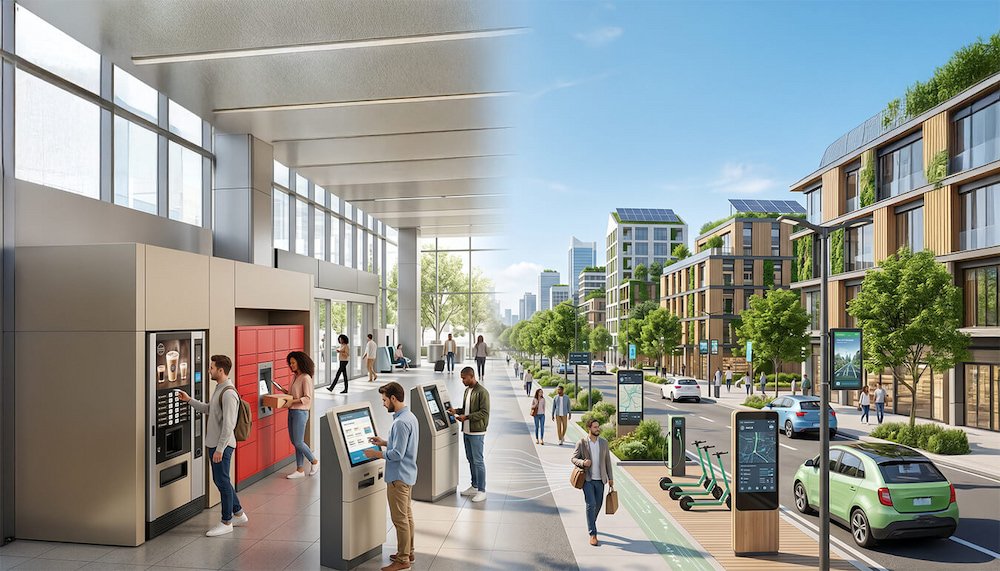
Cities are no longer judged solely by their roads and buildings, but also by the quality of the experiences they offer to people. As parks, squares, and waterfronts evolve into spaces where people relax, socialize, and connect with the city, smart urban furniture is emerging as one of the most notable elements of this transformation.
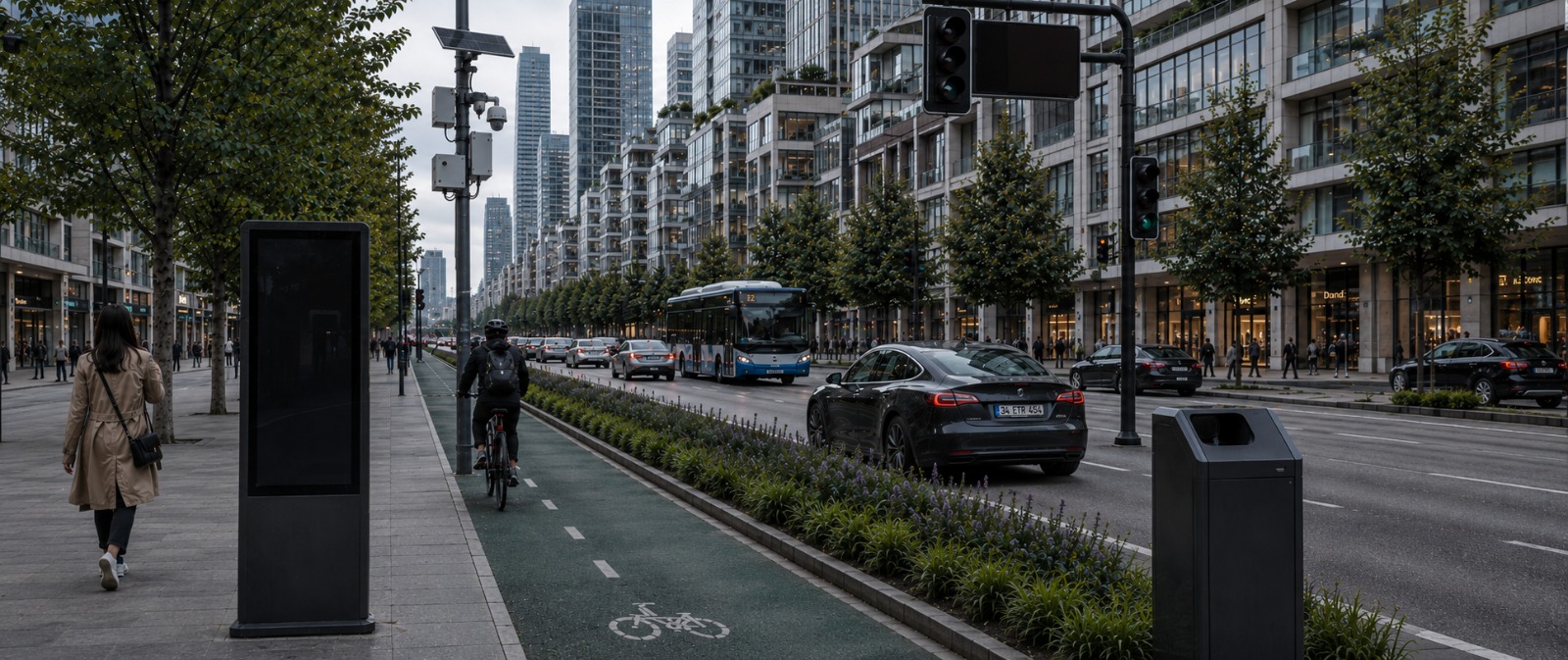
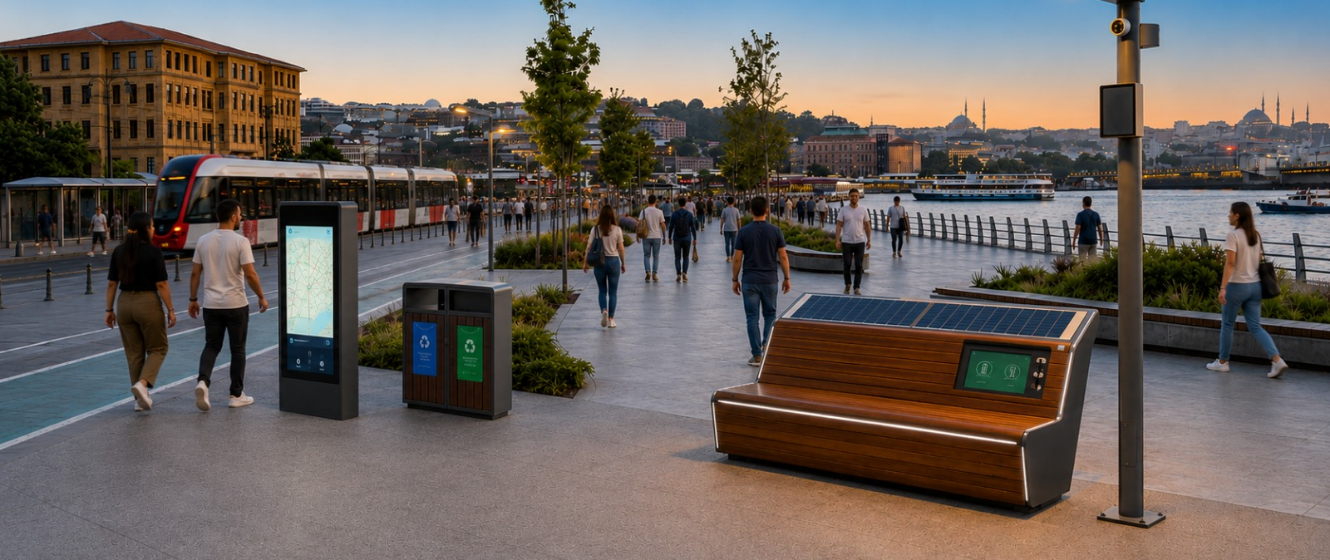
Traditional benches, streetlights, and waste bins are no longer limited to their basic functions. Solar-powered smart benches, phone charging stations, free Wi-Fi access, environmental sensors, and digital information screens are adding a new dimension to urban life. These solutions not only make everyday life easier for citizens but also enable municipalities to manage urban services more efficiently.
This transformation is accelerating in cities around the world. Barcelona is reducing energy consumption and maintenance costs through sensor-enabled smart lighting and waste collection systems, while Singapore continuously monitors temperature, humidity, and air quality through environmental sensors installed across its parks. Copenhagen, meanwhile, is among the cities strengthening the public-space experience through bicycle-friendly urban furniture, smart seating areas, and sustainable design.
One of the most important advantages of smart urban furniture is its ability to generate data. Sensors can be used to analyze pedestrian density, air quality, noise levels, and usage patterns. This enables municipalities to make more informed decisions on a wide range of issues, from maintenance planning to energy management.
Sustainability is another defining feature of next-generation urban furniture. Products made from recyclable materials, solar-powered systems, and low-energy LED lighting can reduce carbon footprints while also lowering operating costs.
According to experts, the public spaces of the future will need to be not only aesthetically appealing, but also smart, accessible, and user-focused. Urban residents are no longer looking simply for a bench to sit on; they expect spaces where they can charge their phones, connect to the internet, relax in the shade, and feel safe and comfortable.
In the coming years, urban furniture integrated with artificial intelligence, the Internet of Things (IoT), and data analytics is expected to become increasingly widespread. This transformation will make cities not only more technologically advanced, but also more livable, sustainable, and people-centered.
Smart urban furniture is no longer simply a design detail; it is emerging as a strategic investment that can shape the quality of life in modern cities.