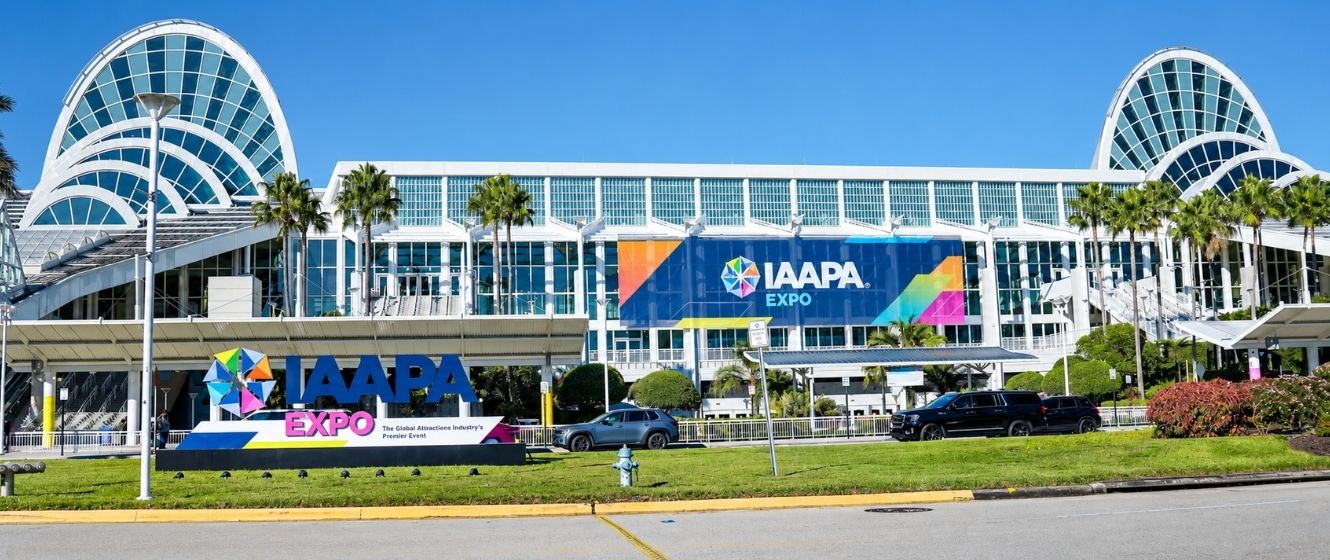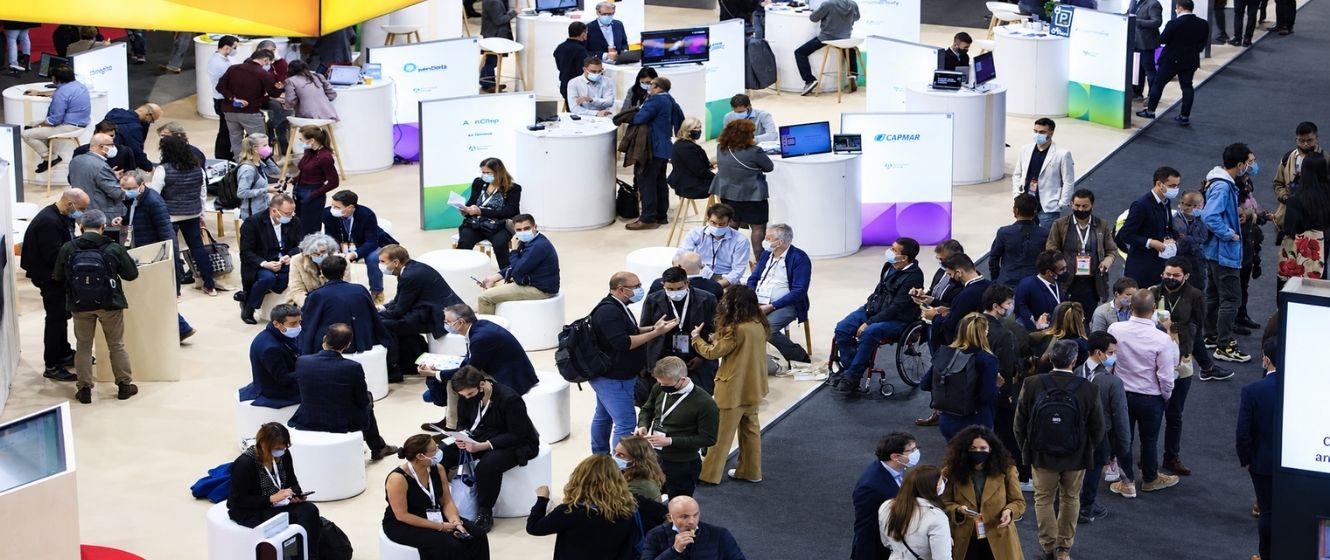

Organised by Fira de Barcelona, the congress will bring together public institutions, technology companies, investors and urban development experts to explore approaches shaping the cities of tomorrow.
Scheduled for 3–5 November at Fira de Barcelona’s Gran Via venue, the event will cover a broad range of topics, including digital transformation, artificial intelligence, energy and the environment, sustainable mobility, infrastructure and urban governance. Affordable and sustainable housing will also be a key focus, reflecting one of the most pressing issues facing cities worldwide.
Housing and Urban Quality of Life in Focus
The programme will address land use and urban planning, housing policies, social and affordable housing models, and the renovation of existing buildings. These discussions will highlight the importance of considering not only technological infrastructure, but also residents’ living conditions and access to urban services as cities continue to grow.
By extending the smart city concept beyond digital systems, the congress will explore how technology and integrated planning can contribute to more liveable, efficient and inclusive urban environments.
50 Solutions for More Sustainable Cities
One of the highlights of Smart City Expo 2026 will be the Terra50 area, dedicated to presenting 50 solutions delivering tangible results in urban sustainability. Initiatives in areas such as green energy production, waste collection and urban greening will showcase approaches with the potential to be adapted and scaled across different cities.
The programme will also feature parallel events addressing sustainable urban mobility, the blue economy, advanced technology entrepreneurship and cybersecurity, broadening the discussion around the future of urban development.
Bringing Technology and People-Centred Urban Development Together
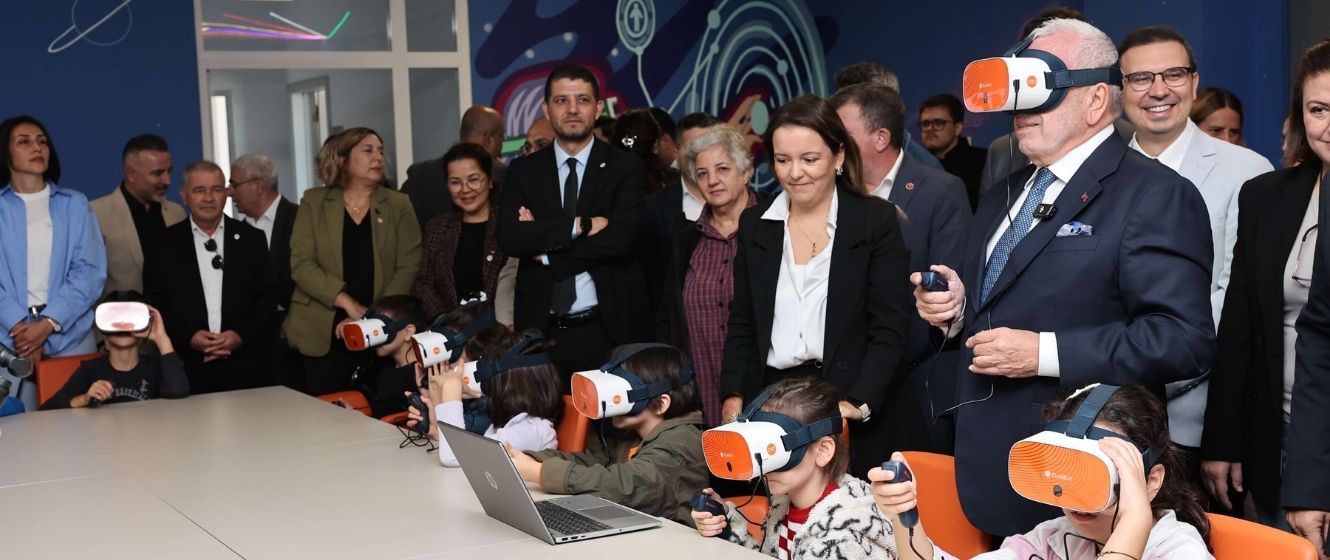
Smart City Expo World Congress 2026 highlights a broader vision for smart cities: the value of technology lies not only in innovation itself, but also in the benefits it brings to people’s everyday lives. Green spaces, energy efficiency, accessible public services and sustainable mobility are among the areas demonstrating the importance of a holistic approach to urban development.
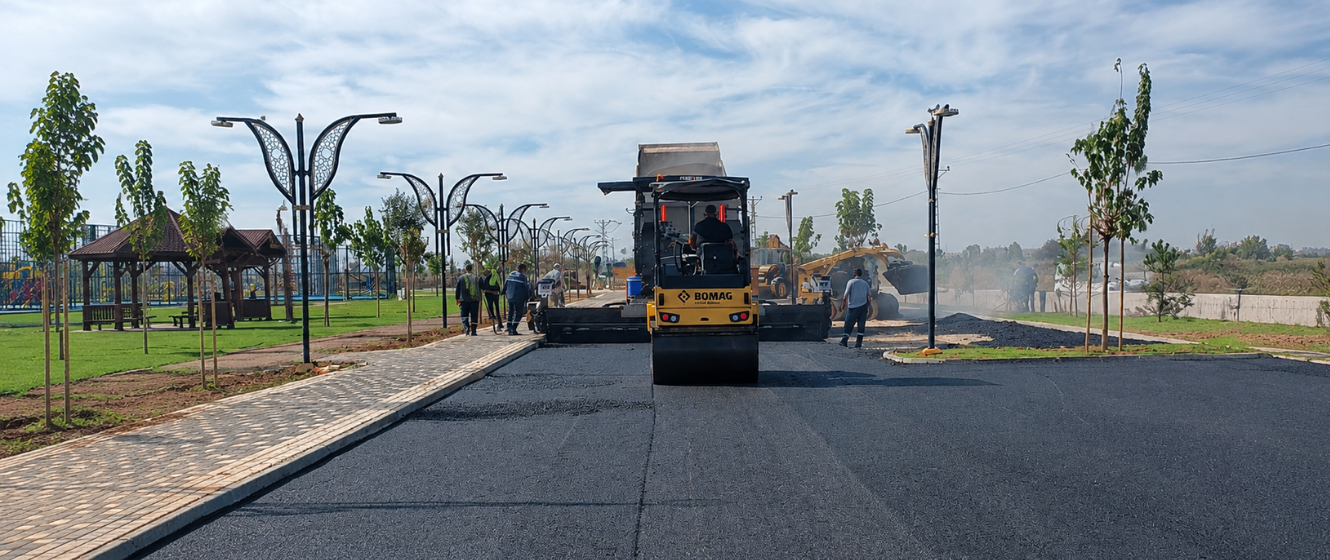
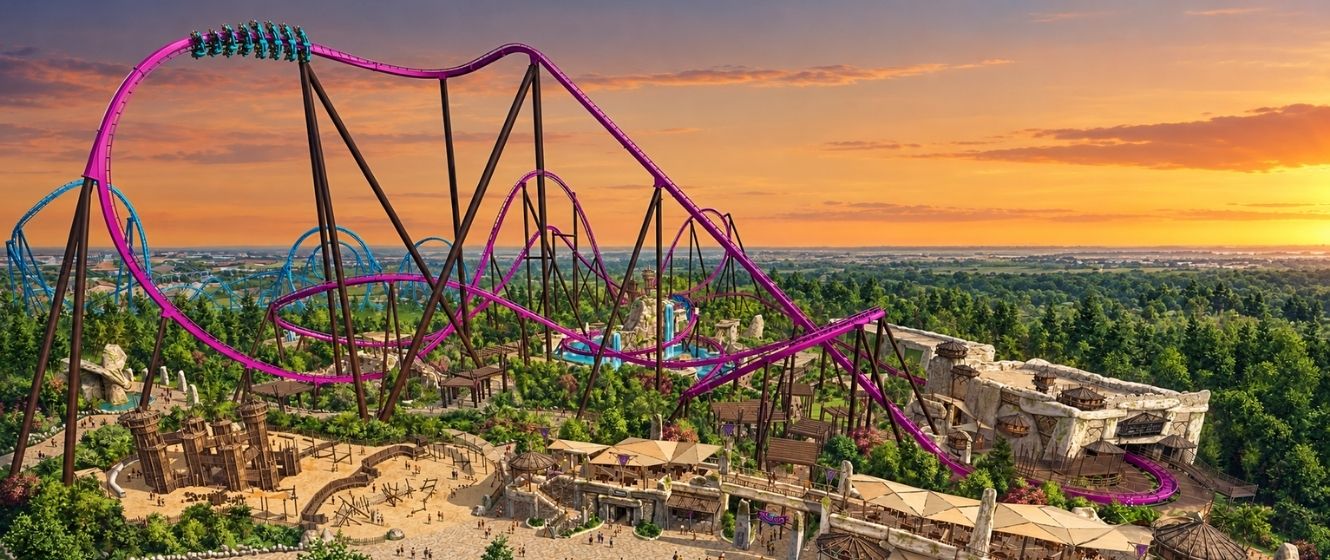
This perspective also creates a relevant framework for new projects and investment opportunities across a wide range of fields, from urban parks and recreational areas to public leisure facilities and sustainable mobility solutions. For the attractions and recreation sector, these developments underline the growing connection between urban planning, public spaces and quality of life.