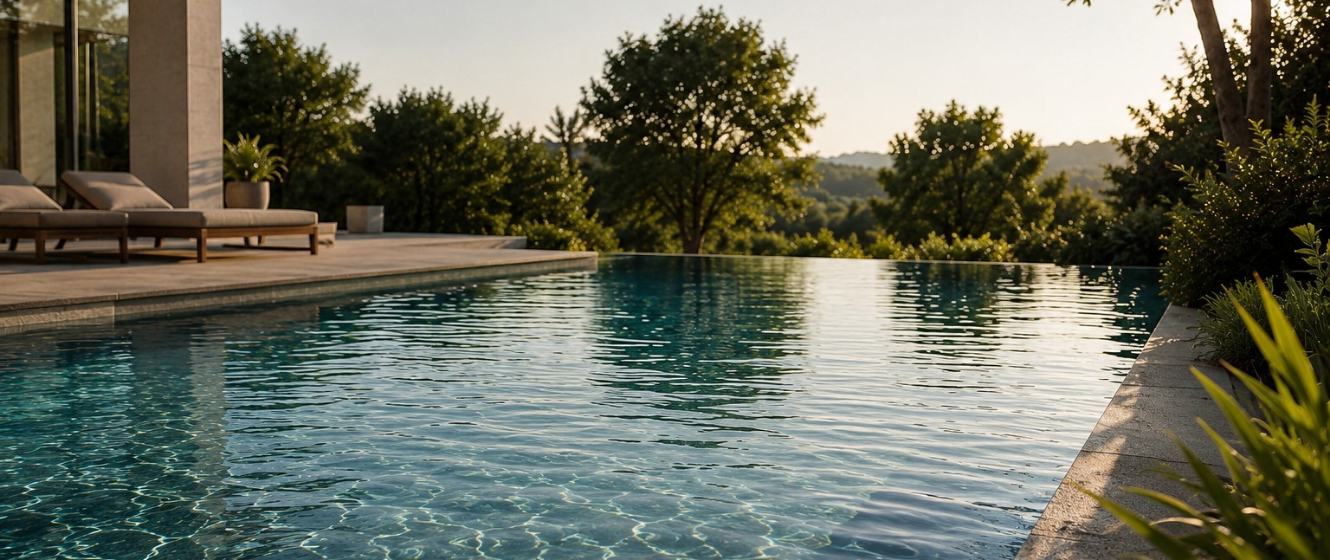
The chlorine smell that stings the nose, irritated eyes, and dry skin experienced by someone stepping into their backyard pool have long been regarded by the industry as unavoidable side effects of “cleanliness.” In 2026, however, these side effects are becoming a thing of the past. The pool and spa industry is undergoing one of the most significant paradigm shifts in its history. Luxury is no longer measured solely by the geometric form of a pool or the quality of the marble surrounding it; it is increasingly defined by how “pure,” “natural,” and “chemical-free” the water itself can be.
Growing consumer environmental awareness, the pursuit of holistic wellness, and evolving environmental standards are bringing the pool industry together around a common goal: crystal-clear pool water with minimal chemical use and a level of purity that approaches drinking-water quality.
1. The Driving Force Behind the Change: Conscious Consumers and Stricter Standards
In the past, clear-looking water was often considered sufficient for pool owners. To achieve this clarity, large quantities of chlorine, algaecides, and pH adjusters were routinely added to pools. Today, however, consumers are more selective than ever about the substances that come into contact with their skin. With the growing popularity of biohacking and longevity trends, people are increasingly seeking to recreate the experience of natural, clean lakes and rivers at home rather than swimming in a cocktail of chemicals.
In Europe, one of the key markets driving the global industry, standards such as NF EN 17645, together with regulatory efforts aimed at reducing the use of biocides, are encouraging manufacturers and distributors to explore new solutions. Sustainable, low-carbon-footprint, and health-conscious alternatives are increasingly becoming a priority for both public facilities and private residential pools.
2. “Zero-Chemical” Technologies Challenging Chlorine’s Dominance
So how can pool hygiene and crystal-clear water be maintained while reducing reliance on conventional chemicals such as chlorine and bromine? In 2026, three key technology areas are gaining increasing attention:
Advanced Ozonation Systems
Ozone (O₃) is one of nature’s most powerful oxidizing agents and can provide highly effective disinfection. Modern ozone generators integrated into pool filtration systems help eliminate bacteria, viruses, and other microorganisms. Once the reaction is complete, ozone breaks down into oxygen (O₂), leaving no persistent ozone residue in the water.
Ultraviolet (UV-C) and Advanced Oxidation Processes (AOP)
One of the technologies attracting growing interest in 2026 is AOP (Advanced Oxidation Process). These systems combine UV-C light with controlled amounts of hydrogen peroxide or ozone to generate highly reactive hydroxyl radicals, which can rapidly break down microorganisms and organic contaminants in the water. By combining advanced oxidation with filtration and water-treatment technologies, these systems can significantly reduce the need for conventional chemical treatment.
Biofiltration and Glass Media Filtration
Reducing chemical use also depends on improving mechanical filtration. Advanced activated glass filter media, including recycled-glass-based solutions, are increasingly being used as an alternative to conventional quartz sand. These media can help reduce the formation of biofilm within filtration systems while capturing fine particles from the water, thereby reducing the overall demand for chemical treatment.
3. Natural Pools Go Hybrid
Until a few years ago, the term “natural pool” often evoked images of organic ponds filled with plants and aquatic life, sometimes with visibly less-polished water. For modern users unwilling to compromise on architectural aesthetics, this concept had limited appeal. In 2026, however, that perception is changing.
Today, modern biopools are increasingly being integrated into minimalist and high-end architectural designs. The natural filtration capabilities of plants can be combined with concealed biological filtration chambers and advanced oxidation technologies such as AOP. The result is a living water ecosystem that can combine the clean lines and visual clarity of a luxury hotel pool with a more natural approach to water treatment.
4. Smart Automation for “Zero-Error” Water Management
One of the biggest challenges of reducing chemical use is maintaining water balance consistently. While conventional chemicals can compensate for certain fluctuations, biological and low-chemical systems require precise control and monitoring. This is where smart pool automation systems come into play.
AI-supported sensors can continuously monitor parameters such as water temperature, pH levels, organic load, and filtration performance. If the system detects conditions that could increase demand—for example, a sudden rise in air temperature or a higher-than-usual number of swimmers—it can automatically adjust filtration performance or optimize treatment levels. For pool owners, much of this process can be monitored through a smartphone application, providing real-time insight into water quality and system performance.
Conclusion: A New Chapter for the Pool Industry
The “Zero-Chemical” era is not simply a temporary trend for the pool and spa industry; it reflects a broader shift in consumer expectations and water-treatment technology. Consumers are increasingly looking for luxury not in chemically enhanced artificiality, but in cleaner, more natural, and more sustainable water experiences.
In the pools designed and developed in the years ahead, traditional chlorine-based systems may increasingly be complemented—or, in certain applications, replaced—by technologies such as ozone, UV, AOP, and biological filtration. Pool professionals who recognize this shift early and incorporate more sustainable water-treatment technologies into their projects and product portfolios will be well positioned for the evolving market of 2026 and beyond.