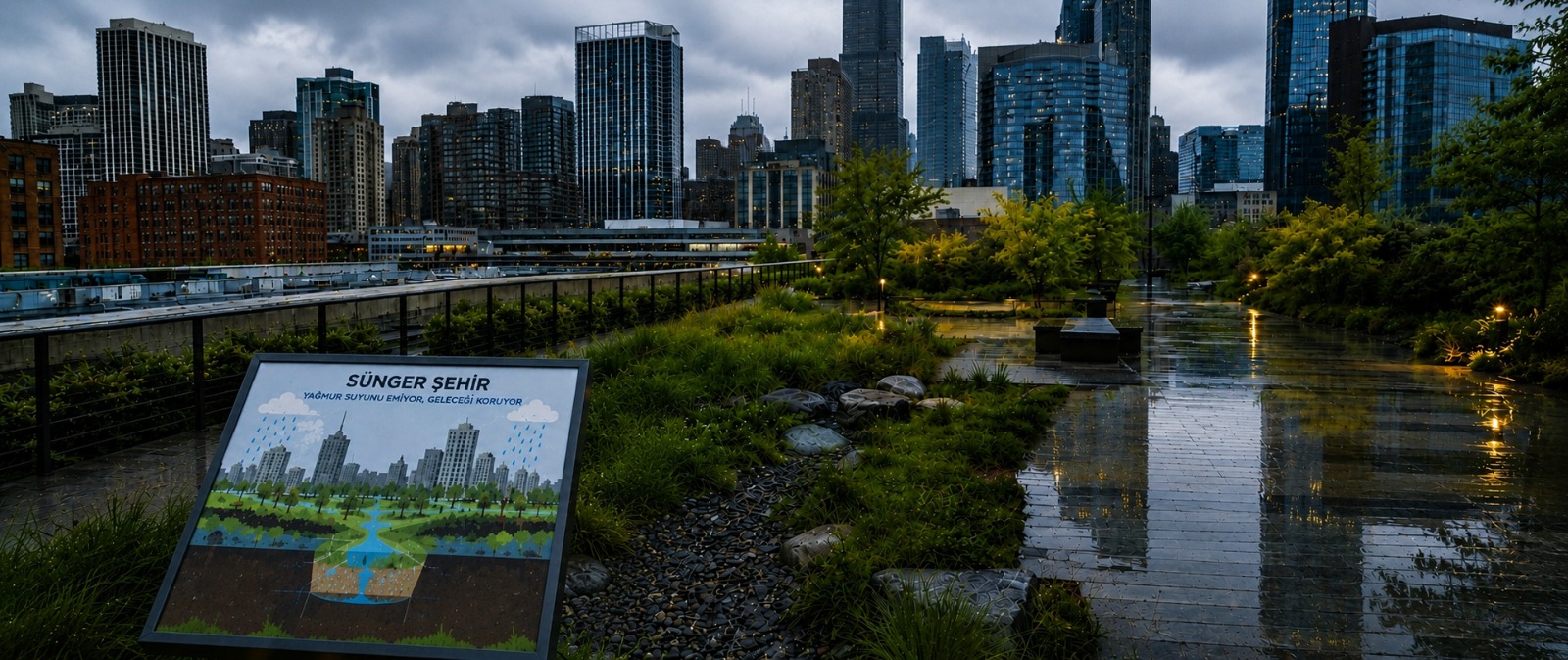
A summer downpour or just a few hours of heavy rain is often enough to reveal the weaknesses of modern cities. Streets become flooded, storm drains overflow, traffic grinds to a halt, and infrastructure struggles to cope. The problem is not simply the intensity of rainfall—it is that our cities have gradually lost their natural ability to absorb and manage water.
As urbanization has accelerated, permeable soils have been replaced by concrete, asphalt, and other impervious surfaces. Instead of soaking into the ground and replenishing natural water cycles, rainwater now rushes across hard surfaces, increasing the risk of urban flooding. Ironically, the same water that causes disruption during storms becomes a scarce resource during periods of drought.
This challenge has led to the emergence of the Sponge City concept, an innovative approach to urban planning that is gaining global recognition. Rather than removing rainwater from the city as quickly as possible, Sponge Cities are designed to capture, absorb, filter, store, and reuse it where it falls. Today, this nature-based approach is widely regarded as one of the most effective strategies for building climate-resilient cities.
Nature-Based Solutions Replace Concrete Infrastructure
For decades, conventional urban drainage systems focused on moving stormwater away from cities as quickly as possible. However, increasingly frequent extreme weather events have demonstrated that traditional infrastructure alone is no longer sufficient.
The new generation of urban planning integrates nature into infrastructure. Permeable pavements, rain gardens, bioswales, green roofs, wetlands, and rainwater harvesting systems allow stormwater to infiltrate the soil naturally. These solutions reduce flood risks while replenishing groundwater resources, helping cities address both flooding and water scarcity.
Parks Become Part of Urban Infrastructure
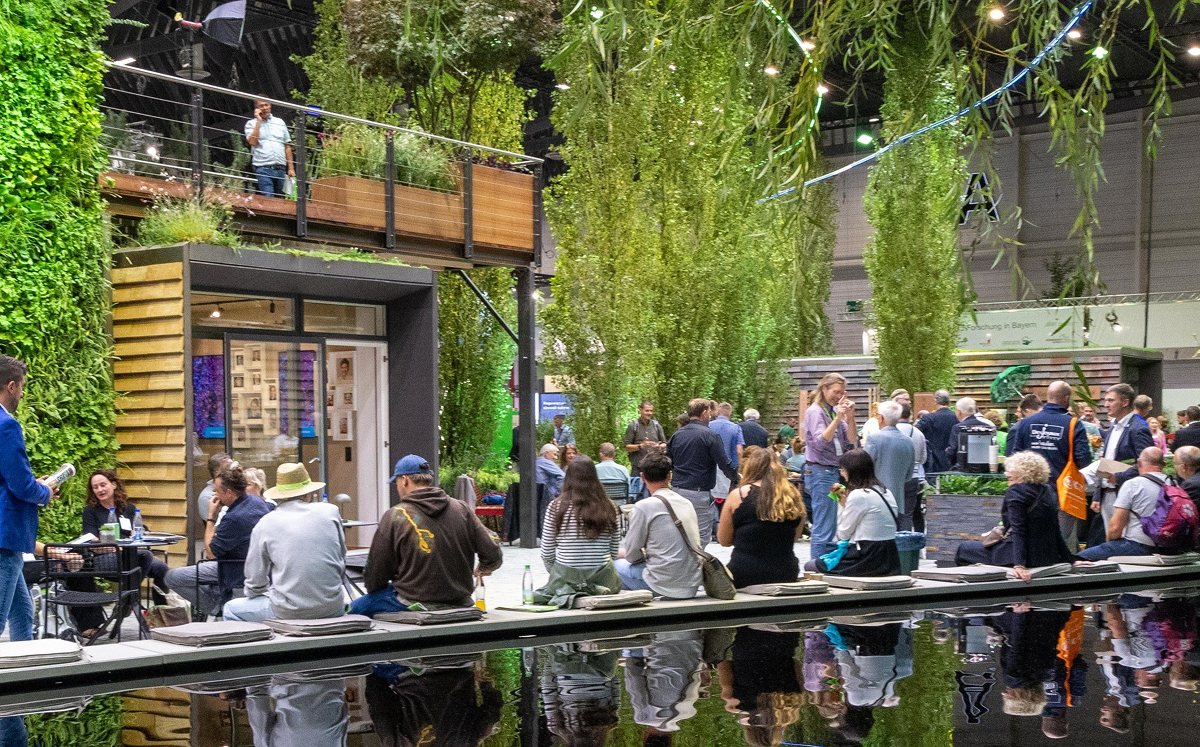
Modern parks and public open spaces are no longer designed solely for recreation and aesthetics. They are increasingly being planned as multifunctional landscapes that absorb, retain, and naturally filter rainwater.
Landscape architecture plays a central role in this transformation. Today’s successful landscape design goes beyond visual appeal—it creates environments that manage water, reduce urban heat, enhance biodiversity, and strengthen cities’ resilience to climate change.
Successful Examples Around the World
Many countries have already incorporated the Sponge City concept into their urban development strategies.
China has launched an ambitious Sponge City Program, aiming to retain and utilize a significant portion of rainfall within urban areas. In the Netherlands, innovative water squares serve as public gathering spaces during dry weather but temporarily store rainwater during heavy storms, helping prevent flooding while enhancing the quality of public spaces.
These projects demonstrate that stormwater can become a valuable urban resource rather than a costly problem.
A New Opportunity for Türkiye
Like many countries, Türkiye is increasingly experiencing both intense rainfall events and prolonged periods of drought. This growing climate challenge highlights the need to rethink the relationship between cities and water.
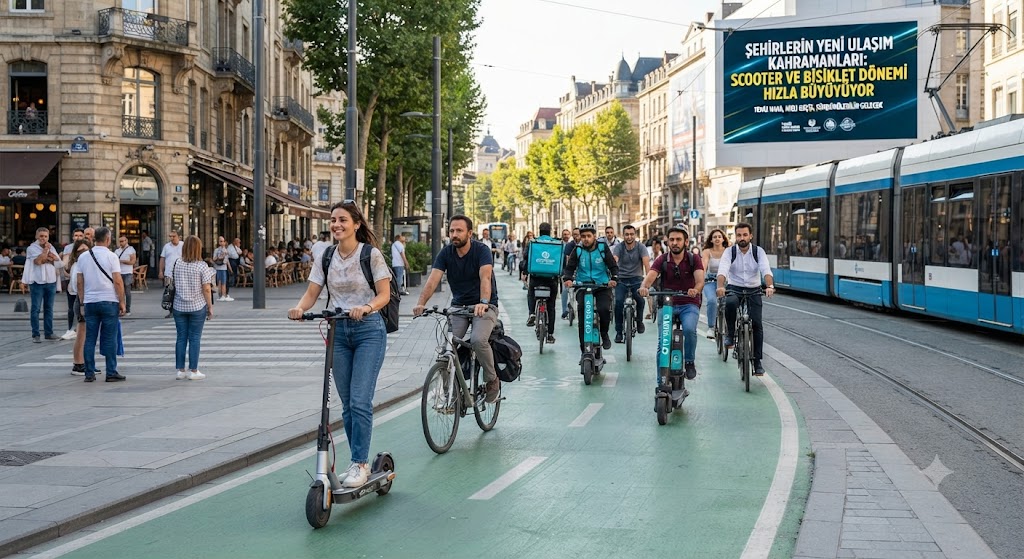
Nature-based solutions can be integrated into parks, recreational areas, waterfront developments, pedestrian and cycling corridors, and urban regeneration projects. Such investments have the potential to reduce flood risks, improve groundwater recharge, enhance biodiversity, and make cities more resilient to climate change.
The Cities of the Future Will Be Those That Manage Water
Climate change demands a new perspective on urban planning. The key question is no longer how quickly rainwater can be drained away, but how much of it can be retained, managed, and reused within the city.
The most successful cities of the future will not be those that fight against water, but those that work with it—capturing it, storing it, filtering it, and integrating it into the natural urban ecosystem.
Perhaps the most important question urban planners should ask is still the simplest one:
“When it rains, where does the water go?”
The answer to that question may well determine how resilient, sustainable, and livable our cities become in the decades ahead.