
Imagine being able to see how a new road, a redesigned park or an expanded transport line might affect the surrounding area before construction even begins. Having this insight can make a real difference in urban planning. This is where digital twin technology comes into play.
A digital twin is a virtual representation of a real-world city. It brings together information about buildings, roads, infrastructure networks and transport systems, creating a detailed picture of how different parts of a city work together. Cities can therefore be monitored and studied in ways that go beyond conventional maps and static models.
But digital twins are about much more than creating three-dimensional images. When supported by up-to-date data, these systems can help identify urban challenges earlier and assess the potential impact of new projects before they are put into practice.
Assessing Urban Projects Before They Are Built
How might a new transport line affect traffic? Could construction in one neighbourhood change the character of its surroundings? Which roads are most vulnerable to flooding during periods of heavy rainfall?
Digital twins make it possible to explore questions like these before decisions are implemented. By testing different scenarios in a virtual environment, city authorities can consider a wider range of information and evaluate possible outcomes.
This approach is particularly relevant for cities experiencing rapid population growth and urban development. Transport, infrastructure, energy and the environment are closely connected, and a change in one area can have consequences for many others.
Digital Twin Projects Are Taking Shape in Türkiye
Digital twins are no longer just a topic discussed in the world’s technology centres. In Türkiye, central institutions and local authorities are also developing projects in this field.
One example is the 3D Real Estate Management Information System developed by the General Directorate of Land Registry and Cadastre. The project aims to create three-dimensional models of buildings and their surroundings, providing a more comprehensive way to manage and evaluate property-related information. According to information shared in August 2026, work in Istanbul was completed in June. The system is expected to be introduced for use, with plans to expand it across Türkiye.
Bornova, in İzmir, offers another example at the local government level. Through its Smart City Management and Innovation Centre, Bornova Municipality is working to bring different municipal services together, including transport, security, cleaning, energy and infrastructure. The aim is to monitor and coordinate these services through a shared digital system.
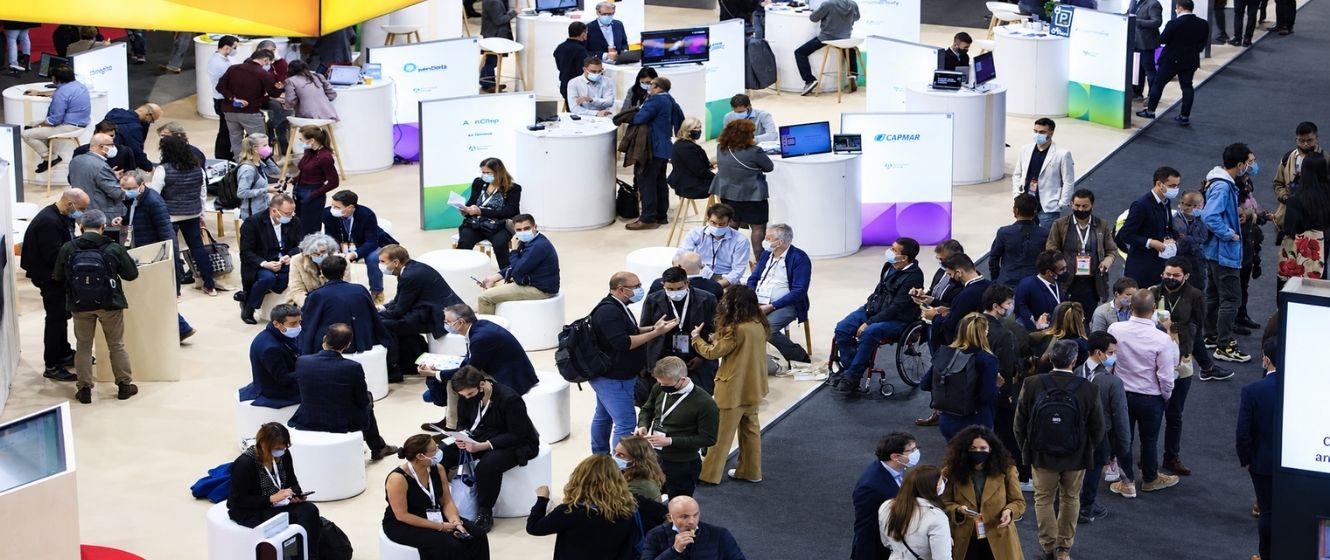
In Kocaeli, digital twin technology is being explored in the field of public transport. The Rail Systems Digital Twin Project, developed by UlaşımPark, is scheduled to be presented at the Smart City Expo World Congress in Barcelona from 3 to 5 November 2026. The project also demonstrates that digital twins do not necessarily have to cover an entire city; they can be developed for specific systems, such as urban rail networks.
Parks, Squares and Public Spaces Are Part of the Transformation
When people talk about the digitalisation of cities, traffic, buildings and infrastructure are often the first things that come to mind. Yet the potential applications extend much further.
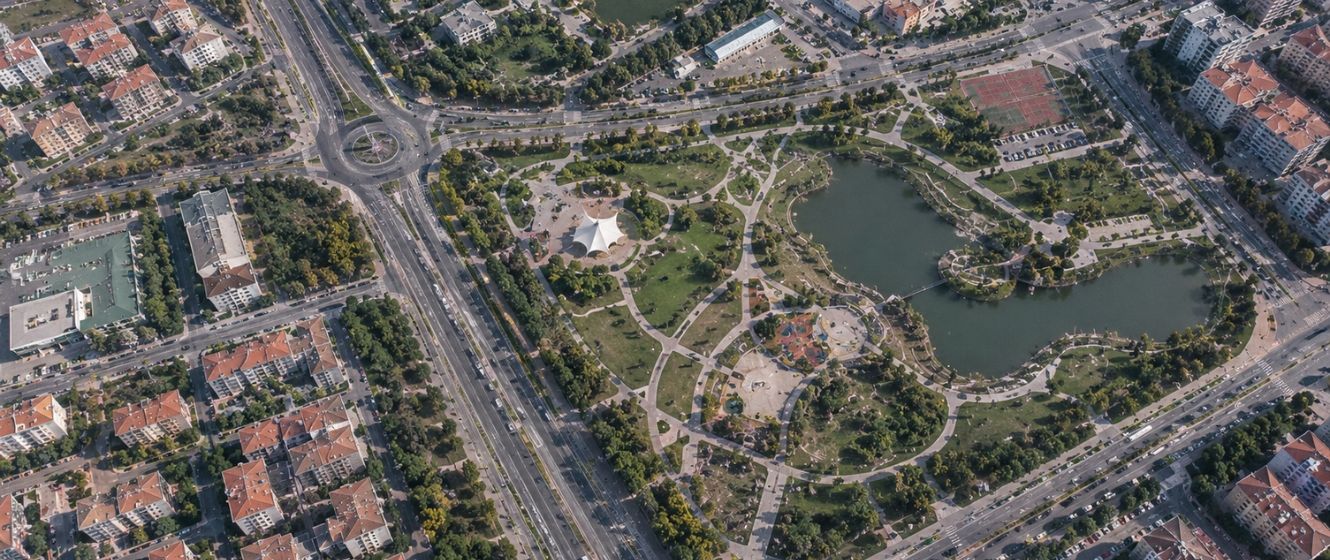
Parks, public squares, walking and cycling routes, sports facilities and recreational areas can also benefit from digital planning. Data can help assess how frequently a park is used, how a new cycling route connects with existing networks or how a public square could be adapted to different needs.
The value of digital twins lies not simply in making cities more technological, but in helping create spaces that better respond to the needs of the people who use them. A well-planned city is not just one with strong infrastructure; it is also a place where people can move around comfortably, spend time outdoors and take part in social life.
The Real Measure Is Their Impact on Urban Life
Despite the opportunities they offer, the success of digital twins depends on more than advanced software. Data needs to be regularly updated, different institutions must be able to work together, and the information generated must be used in actual decision-making processes.
In the coming years, digital twins are expected to play a greater role in urban planning. Ultimately, their value will not be measured by the sophistication of their three-dimensional models, but by the problems they can help cities solve.
Perhaps this is where one of the most important changes in the cities of tomorrow will begin: looking at a city not only in terms of what it is today, but also of the kind of life it can offer in the future.