
Located in the first courtyard of Topkapı Palace, one of Istanbul’s most significant historical landmarks, Darphane-i Amire has entered a new chapter following an extensive restoration and adaptive reuse project. Reopened to visitors on 24 October 2026, the historic complex now offers an opportunity to explore different aspects of Ottoman heritage, from art and craftsmanship to military history, industrial technology and cartography.
Led by the Directorate of National Palaces, the project has transformed seven buildings and 46 exhibition halls across a 17,000-square-metre site into five specialized museums. Housing more than 10,500 artefacts, the complex demonstrates how historic buildings can be preserved while being adapted to contemporary cultural and visitor experiences.
Five Museums, Five Different Perspectives on History
Each museum within the Darphane-i Amire complex presents a distinct collection, bringing together different periods, disciplines and artistic traditions.
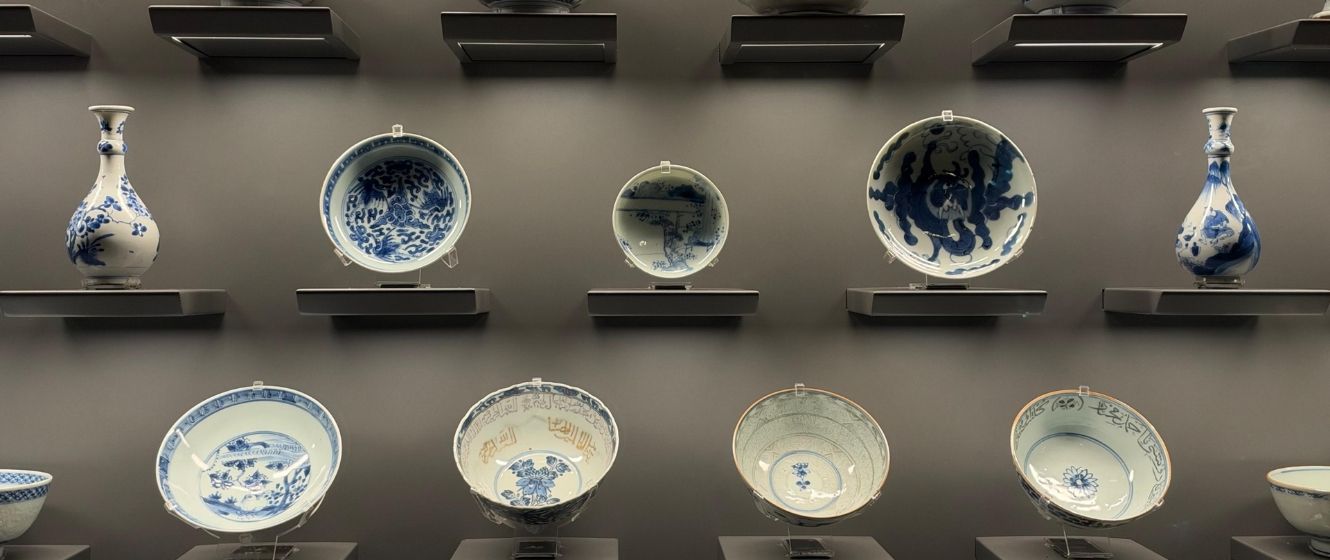
The Museum of Calligraphy features more than 2,000 works representing the rich tradition of Turkish calligraphic art. The Porcelain Museum, with a collection of approximately 5,300 pieces, showcases examples of Chinese, European and locally produced porcelain, offering visitors an insight into the history of decorative arts and craftsmanship.
The Imperial Armoury Museum presents approximately 2,500 artefacts, including weapons associated with Ottoman sultans and statesmen. Meanwhile, the Museum of Minting and Industrial Tools introduces visitors to the technological side of Ottoman production through a collection of around 500 industrial instruments dating back to the 19th century.
Completing the five-museum concept, the Map Museum brings together historical maps, adding a geographical and exploration-focused dimension to the visitor experience.
Together, these collections create a diverse cultural route where visitors can explore art, military heritage, industrial development and geographical history within a single destination.
Historic Architecture Meets a New Cultural Experience
The project extends beyond the creation of museum spaces. The complex also includes two art galleries designed to host temporary exhibitions, as well as the National Palaces Research Centre, planned to serve researchers and academics. Preparations for the Topkapı Palace Library are also continuing.
The transformation of Darphane-i Amire highlights the potential of historic sites to become active cultural destinations while retaining their architectural and historical significance. Bringing different collections together under one roof also creates opportunities for a more varied and engaging visitor experience.
A New Destination on Istanbul’s Cultural Tourism Route
With a history dating back to construction activities in 1727 and subsequent expansions during the reign of Sultan Mahmud II, Darphane-i Amire served as an important centre for Ottoman coin production for many years.
Following seven years of restoration, the complex has been reintroduced as a cultural destination. Its transformation reflects a broader approach to heritage management, in which historic production centres can gain new functions through museums, exhibitions and cultural activities.
Located within the Topkapı Palace grounds, the five museums add another point of interest to Istanbul’s established cultural tourism route. By bringing together diverse collections and historical narratives, Darphane-i Amire offers visitors a new way to discover the city’s cultural heritage while contributing to the development of its wider visitor experience.